
Dental Implants – East Gwillimbury, ON
The Only Root-to-Crown Tooth Replacement
No matter how many teeth you are missing, even one can dramatically change the way you perform normal daily tasks such as eating and speaking. It’s important that you take action when faced with an incomplete smile, as further jawbone deterioration and tooth loss can occur. This is why our dental team at Queensville Dental is here to recommend dental implants. Known for their stability, functionality, and longevity, these permanent prosthetics offer the only root-to-crown tooth replacement. Call us to schedule your consultation to learn if you’re a candidate for dental implants in East Gwillimbury, ON.
Why Choose Queensville Dental for Dental Implants?
- Dental Implant Placement & Restoration In-House
- Personalized Treatment Plans Based on Patients’ Needs
- Friendly & Caring Dentist with Years of Experience
What are Dental Implants?
Similar to a screw, these titanium posts mimic the natural roots of teeth. Placed below the gumline and into the jawbone, they fuse over several months and create a solid foundation. Once fully set in place, a customized dental crown, implant bridge, or implant denture is placed on top, creating a full, complete smile for good. With proper care, dental implants can last 30 years or more, while also mimicking the look and feel of your natural teeth.
The 4-Step Dental Implant Process
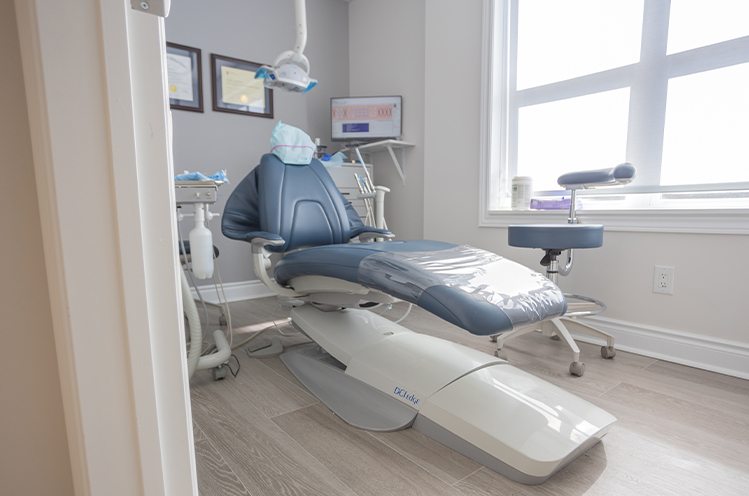
Dental implants are rather complex, so getting them involves a lengthy and multi-step process. The full treatment should take roughly four to six months or so. That being said, don’t worry; these posts are well worth the time and effort! Dr. Goldberg performs the placement in-house, so your results will benefit from his advanced expertise. He and our team oversee the entire implant process – the consultation, implant surgery, osseointegration, and delivery of the final restoration.
Initial Dental Implant Consultation
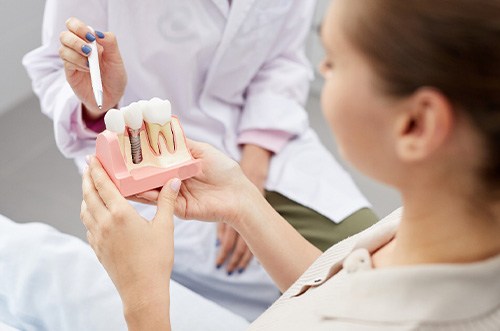
You’ll start the implant process by consulting Dr. Goldberg at our office. Through this session, he’ll learn about your treatment goals, your current oral health, and other crucial factors. Our team will use those details to confirm whether dental implants suit you, allowing us to draft a good treatment plan.
Please don’t feel discouraged if you don’t initially qualify for care. In reality, you can become a good candidate later through preliminary procedures – gum disease therapy, tooth extractions, etc. Those services can strengthen a mouth (and jaw) enough to support implant posts.
Dental Implant Surgery
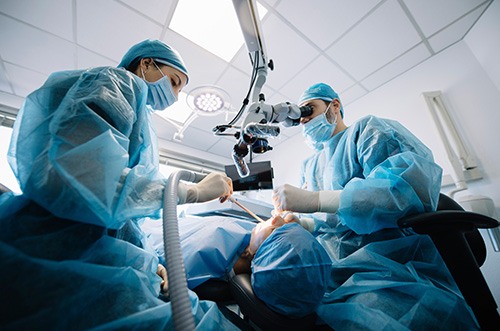
With Dr. Goldberg’s approval, your consultation will shift into dental implant surgery. This second phase of the implant process is handled at our office, rather than by outside specialists. That means you’ll benefit from our team’s extensive dental implant experience.
Overall, the surgery will involve four key elements:
- Anesthesia – Before surgery, Dr. Goldberg will numb your mouth with anesthesia. Doing so ensures your implant’s placement is painless; it won’t cause you to feel aches or pains.
- Incision Work – Our team will make an incision in your gums after the anesthesia “kicks in.” Once made, it’ll provide room in your mouth for your implant post.
- Implant Placement – To place your implant post, we’ll rely on several advanced tools and methods. You can thus expect your new “tooth” to look and feel amazing!
- Gum Closure – After the implant is placed, Dr. Goldberg will quickly (and safely) close your gum incision. He’ll then set a cap over the post.
Dental Implant Osseointegration & Abutment
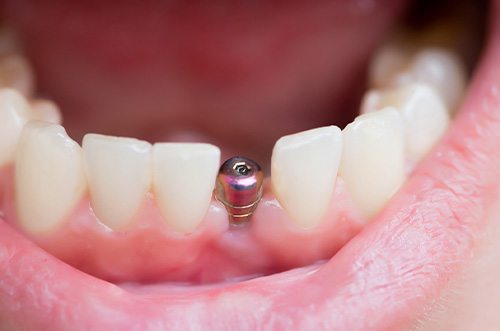
Soon after your implant is placed, it’ll begin to fuse with your jaw’s tissue. This 4–6-month process – known medically as “osseointegration – helps your new “tooth” take root and become secure. In other words, it ensures your implant becomes a permanent part of your mouth.
You’ll eventually undergo an “extra” surgery once your implant fully fuses. For this later procedure, we’ll place an abutment – a small metal connector – on your base post. A dental lab will craft your final restoration while you recover from that work.
Delivery of Dental Implant Restoration(s)
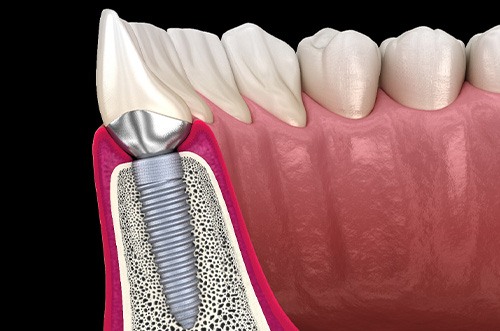
At the end of your treatment, you’ll receive your final restoration. This device can vary based on how many teeth you initially lost or had replaced. Indeed, it might be a typical dental crown, an implant bridge, or even an advanced implant denture.
Rest assured that we’ll fit your final restoration quickly. To do so, we must only apply dental cement to your abutment, set the device, and make some final adjustments. You’ll be ready to enjoy your restored smile after these last steps!
Benefits of Dental Implants
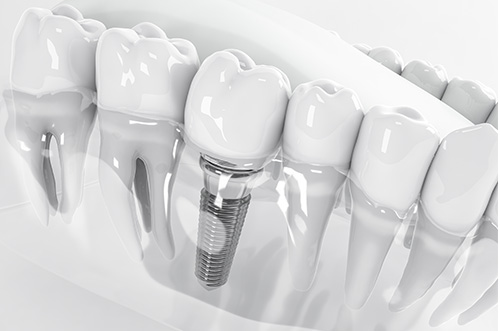
Dental implants continue to gain popularity as a reliable way to restore your smile after tooth loss because they come with so many helpful benefits. They’re the only artificial teeth that are surgically inserted into your jawbone, which allows them to offer unique advantages over alternative treatments like dental bridges and dentures.
Continue reading to learn more about how these prosthetics can enhance your appearance and improve your health, and feel free to reach out for more information.
Day-to-Day Benefits

Gaps in your grin can detract from your daily quality of life because they play an essential role in your ability to eat, speak, and smile. Without them, these once-basic tasks are suddenly much more challenging. Dental implants function as artificial teeth to:
- Restore your chewing ability. You can enjoy all your favorite foods by mashing them up enough to be easily swallowed and digested.
- Boost your confidence. Spaces in your grin can leave you feeling self-conscious. These prosthetics can be customized to match your natural teeth for seamless results.
- Brush and floss as usual. Maintaining your restorations is as simple as continuing to brush and floss twice daily to remove plaque and bacteria buildup.
Health Benefits
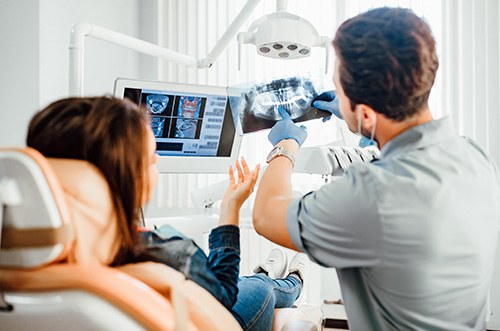
In addition to the obvious advantages, getting dental implants can also improve your dental condition by:
- Prevent bone loss. After teeth fall out, your jaw begins to thin because there’s no root to trigger new bone growth every time you bite down. Your prosthetics include a titanium rod that fulfills this function and keeps your jawbone active and strong.
- Preserve neighboring teeth. Dentures and dental bridges rely on surrounding structures, like your other teeth or the bony ridges of your mouth, to remain put, which can wear them down over time. Dental implants, meanwhile, function as sturdy standalone structures.
- Protect oral health. Your remaining teeth tend to shift out of alignment to fill in gaps left by the ones that went missing, which can wear down your enamel and leave them prone to injury. Implants keep your teeth from drifting out of their proper placements.
Long-Term Benefits
With the right maintenance, your dental implants can potentially last the rest of your life, so you can continue to enjoy the following long-term advantages:
- Incredibly successful. These restorations have a success rate of 95%, even up to 10 years after their initial placement, so you know you can rely on them.
- Resilient materials. The titanium rod of your dental implant is incredibly strong and lightweight, and fuses with your jawbone for added stability. Plus, porcelain tooth-shaped restoration can resist chips and stains.
- Save money. Although they may cost more upfront, these artificial teeth require fewer repairs and replacements over the years, so there are fewer expenses to cover later.
Who Dental Implants Can Help
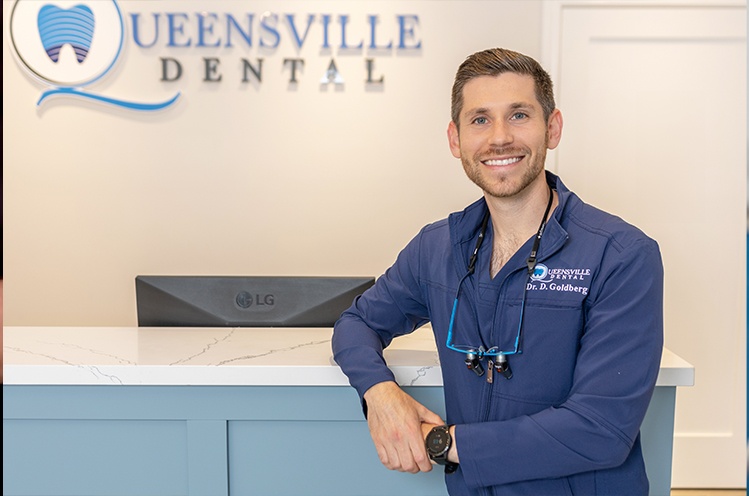
Considered the most versatile tooth replacement solution on the market, dental implants are a great choice for almost any adult suffering from tooth loss. Whether you require one dental crown or an implant denture to replace an entire arch, we can make sure your mouth is ready for oral surgery. If not, we’ll recommend appropriate preliminary treatments to put you on the right path.
Missing One Tooth
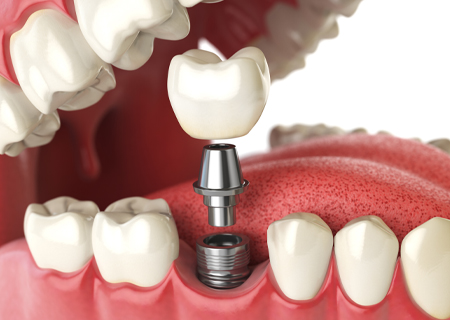
If you’re missing only one tooth, we can use a titanium implant post, metal abutment, and customized dental crown to replace the tooth and create a complete smile. This allows for clearer speech as well as a stronger bite force when eating.
Missing Multiple Teeth
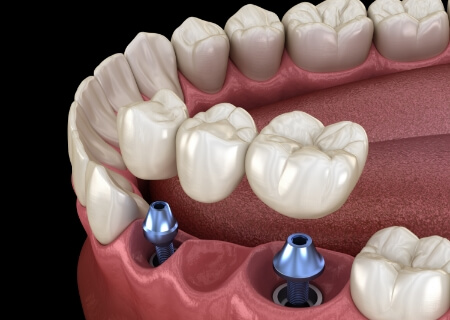
Using two dental implant posts can hold an implant bridge in place. When multiple missing teeth along an arch fall out or must be extracted, we can place a dental bridge that consists of two crowns and pontics that are artificial teeth fused between the crowns.
Missing All of Your Teeth
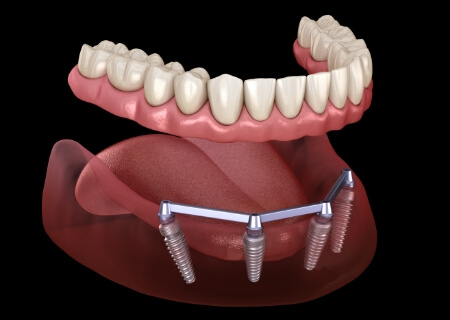
An entire arch of teeth can be treated using between four and six dental implant posts. Instead of relying on natural suction to hold it in place, we can administer local anesthesia as well as sedation, if necessary, and place each implant into the designated location for maximum support and permanency.
Understanding the Cost of Dental Implants

While dental implants may seem like a large investment at first glance, they offer a wide range of benefits that make them well worth the time, effort, and finances they require. Since each patient’s restoration will be completely customized to match their needs, the cost of one tooth replacement treatment can vary considerably from that of another, and the only way for us to provide you with a proper price estimate is for you to come to our East Gwillimbury office for a consultation. Here’s a quick look at the costs associated with dental implants and how we can help make them affordable.
Preliminary Treatments & Dental Implant Surgery

A suitable dental implant candidate will be free from oral infections like cavities and gum disease, so we may have to resolve these issues with appropriate restorative treatments before you can receive the surgery. The cost of these procedures will be noted on your bill, but they may receive partial insurance coverage.
The implant surgery will incur its own cost, and the team at Queensville Dental is trained and equipped to carry out the entire placement process at our East Gwillimbury office. This means you won’t have to worry about coordinating with an outside oral surgeon who uses a different pricing structure.
The Parts of Your Dental Implant
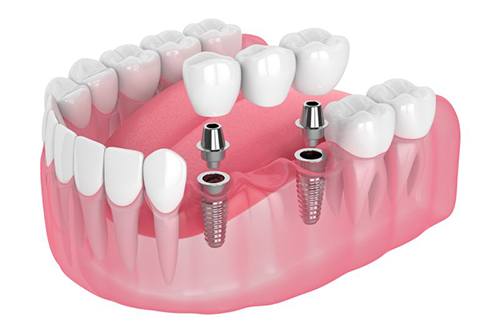
The cost of your dental implants will also be determined by factors like:
- The number of implants: Each implant will be represented individually on your bill.
- Type of restoration: Larger restorations like dentures require more material, so they are usually more expensive than smaller ones like crowns.
- Size of the implant: Longer implants cost more than shorter ones.
- Material: Dental implants are usually made from titanium, but they can also be crafted from zirconia or other materials that are priced differently.
- Brand: Please contact us if you’d like to know more about the manufacturers of our dental implants.
How Dental Implants Can Save You Money

Dental implants are a sound investment in your appearance, confidence, and oral health. A whopping 95% of these devices are still functional ten years after being placed, and they can last for several decades if they receive excellent care. This means you may be able to forgo the frequent costly replacements required by traditional restorations like bridges and dentures. Implants can also give you the confidence you need to succeed socially and professionally by helping you smile proudly at friends, family, coworkers, and strangers. This may even help you stand out from the competition when being considered for a new job or a promotion.
Does My Dental Insurance Cover Dental Implants?
Dental insurance policies rarely cover dental implants, but they usually offer some coverage for preliminary treatments used to resolve gum disease and tooth decay. We’ll be happy to help you navigate your policy during your consultation so you can understand exactly what it will pay for.
Making Dental Implants Affordable

We understand that many people may need a little help fitting their dental implants into their budgets, and we’re eager to make sure everyone in East Gwillimbury can achieve the smile of their dreams. Queensville Dental is proud to participate in the Canadian Dental Care Plan, which helps reduce the cost of necessary dental care for qualifying patients. We’ll be happy to help you find the best way to make your oral healthcare affordable when we see you for your consultation.
Maintaining & Caring for Your Dental Implants

Dental implants are amazing prosthetic devices that may be able to keep your smile healthy, complete, functional, and beautiful for a lifetime if you take proper care of them. Luckily, keeping up with a few simple habits will allow you to avoid injuries and oral infections that can compromise your appliances. Here’s a quick guide to how you can keep your implants in excellent shape from the friendly team at Queensville Dental, but please feel free to contact our office in East Gwillimbury if you have any questions.
Make Oral Hygiene a Priority
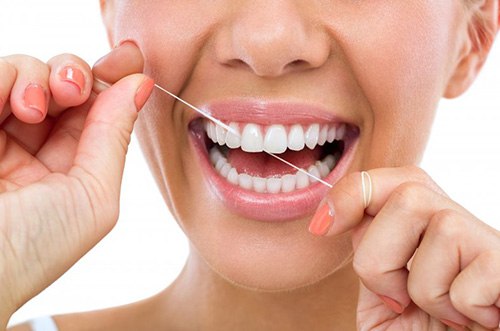
While dental implants cannot develop cavities since they are not made from materials that can be metabolized by harmful bacteria, the gum tissue and jawbones supporting them can still be compromised by infections. To keep your natural and artificial teeth in great shape, remember to brush at least twice, floss at least once, and rinse with antibacterial mouthwash every day.
Eat a Healthy Diet

Dental implants restore almost all your natural chewing power, and you can help your smile stay in great shape by making sure to enjoy a diet that is rich in the nutrients your body needs to stay healthy. Be sure to get plenty of protein, calcium, phosphorus, and vitamins C and D to keep your gums and jawbones healthy. It’s also best to limit your intake of sugars, acids, and alcohol.
Break Bad Habits

Tobacco use and excessive alcohol consumption can inhibit your body’s ability to fight infection and set you up for gum disease, so it’s best to kick these habits. It’s also smart to refrain from using your teeth to open packages or bottles as well as chewing on ice or inedible substances such as wood, plastic, glass, metal, or fingernails.
Protect Your Dental Implants

While dental implants are incredibly strong and durable, they are not indestructible and can be compromised by wear and injury. We’ll be happy to provide you with a customized athletic mouthguard to protect your smile when playing sports or a nightguard to protect your enamel from nocturnal grinding. It’s also best to be mindful when chewing so you don’t put unnecessary stress on your implant.
Schedule Regular Dental Checkups
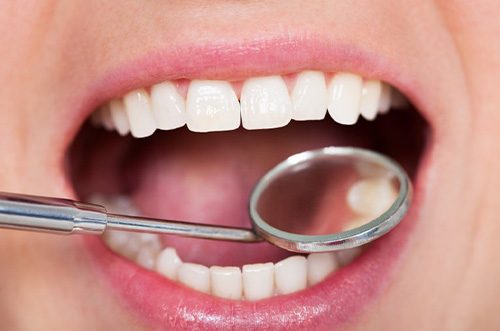
The American Dental Association recommends visiting your dentist every six months for routine exams and cleanings. These appointments allow Dr. Goldberg to monitor your oral health, address problems in their early stages, and advise you as to better oral hygiene practices that can help you prevent infections and keep your implants and natural teeth in great shape for life.